Storm Damage? Upgrade to a Fortified Roof. Call (985) 377-9545

FORTIFIED Roof vs Standard Roof: What’s the Difference?
Discover the difference between a FORTIFIED Roof™ and a standard roof in Louisiana. Learn how FORTIFIED roofing exceeds building code, reduces hurricane damage, and protects your home from storm water intrusion.
FORTIFIED ROOFING
2/14/20262 min read
FORTIFIED Roof vs Standard Roof: What’s the Difference?
If you're replacing your roof in Louisiana, you’ve likely come across the term FORTIFIED Roof™. But how does a FORTIFIED roof compare to a standard roof built to minimum building code?
Understanding the difference between a FORTIFIED roof vs standard roof can help you make a smarter decision — especially in a hurricane-prone state like Louisiana.
What Is a Standard Roof?
A standard roof is built to meet minimum local building code requirements. While code compliance is important, building codes are designed to provide baseline safety — not maximum storm protection.
A typical standard roof includes:
Basic nailing patterns
Standard underlayment
No sealed roof deck system
Minimal edge reinforcement
In mild climates, this may be sufficient. But in Louisiana, where hurricanes and high winds are common, minimum code construction may not provide enough protection during severe storms.
What Is a FORTIFIED Roof™?
A FORTIFIED Roof™ is a roofing system built to standards developed by the Insurance Institute for Business & Home Safety (IBHS). It is engineered specifically to reduce wind damage and water intrusion.
A certified FORTIFIED Roof™ includes:
Enhanced roof deck attachment
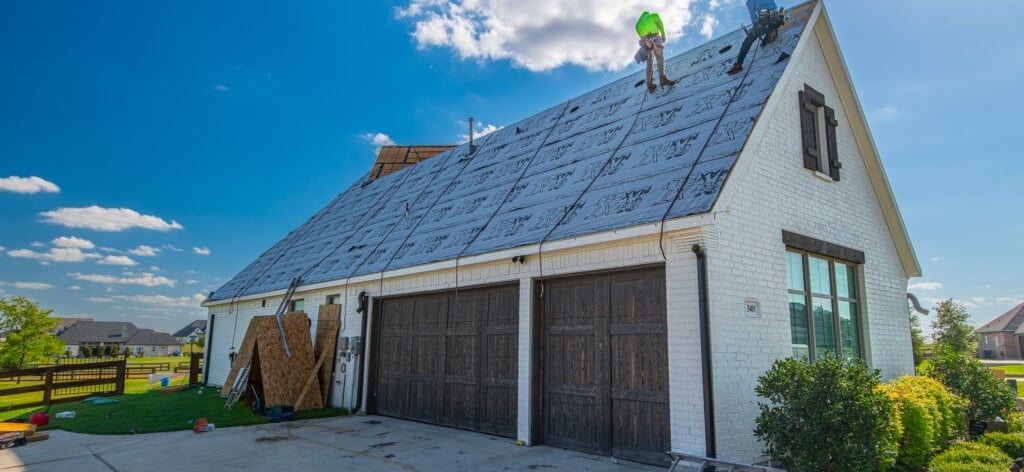
A sealed roof deck system
Reinforced roof edges
Third-party inspection and verification
These upgrades strengthen the most vulnerable parts of the roofing system — the areas most likely to fail during hurricanes.
The Real Difference Between a FORTIFIED Roof and a Standard Roof
The key difference is what happens when shingles fail.
On a standard roof, once shingles blow off during high winds, water can immediately enter through exposed roof decking seams. This often leads to interior ceiling damage, insulation saturation, and structural repairs.
On a FORTIFIED Roof™, the sealed roof deck provides a secondary water barrier. Even if outer roofing materials are damaged, the deck remains protected — dramatically reducing interior water intrusion.
In Louisiana’s hurricane-prone climate, that secondary barrier can make a significant difference in limiting storm damage.
Why It Matters in Louisiana
Louisiana homes face:
Hurricane-force winds
Wind-driven rain
Prolonged storm exposure
High humidity and moisture
High winds test roofing systems beyond minimum building code standards. Research shows that 70–90% of major storm damage begins when the roof deck fails and allows water intrusion.
A FORTIFIED Roof™ directly addresses this risk by strengthening deck attachment and sealing roof seams.
For homeowners across Southeast Louisiana, this means:
Reduced risk of interior storm damage
Lower long-term repair costs
Improved structural resilience
Potential eligibility for insurance savings
Is a FORTIFIED Roof Worth It?
In hurricane-prone regions like Louisiana, many homeowners choose to exceed minimum code requirements for added protection.
A FORTIFIED Roof™ may:
Improve wind resistance
Reduce water intrusion risk
Support wind mitigation insurance discounts
Increase long-term home value
Qualify for the Louisiana Fortify Homes Grant
When grant funding is available, upgrading to FORTIFIED standards becomes even more cost-effective.
Build Beyond Minimum Code
Building code sets the minimum standard for safety. A FORTIFIED Roof™ goes beyond that minimum to provide engineered hurricane protection.
If you’re comparing a standard roof replacement to a FORTIFIED Roof™ upgrade, the difference lies in long-term storm resilience.
Schedule a Free FORTIFIED Roof™ Consultation
Our certified team specializes in IBHS FORTIFIED Roof™ installations built for Louisiana weather. Contact us today to learn how upgrading your roofing system can strengthen your home before the next storm season.